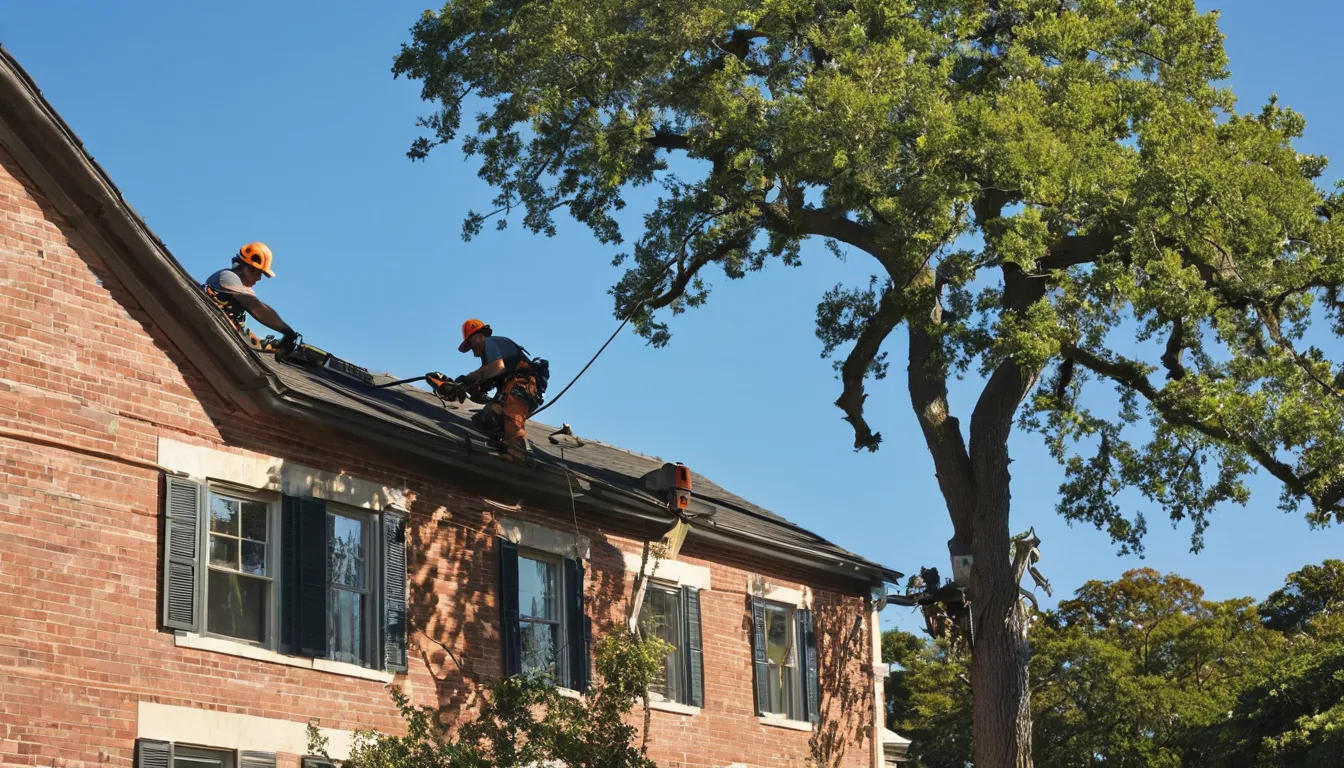
Residential Tree Removal
Check before cutting: a local provider can remove a risky tree without harming your roof, pipes or yard.
A leaning tree or a cracked limb near an older house calls for a careful plan. Athletesshoes Tree Service connects you with independent local providers who inspect the tree, explain the risks and give you a written quote.
Clear do and do-not guidance helps you avoid risky moves, like climbing, cutting near lines or standing under a loaded limb.
Providers are asked about aging roofs, chimneys and pipes so the plan protects what is already fragile.
Providers in our network know humid summers, thunderstorms, tropical remnants and ice, and plan timing around them.
Ask for written estimates that name the work, cleanup and stump grinding, so you can compare without pressure.
Tell us about your tree and what stands near it. Request a callback to check provider availability, or send a request and a provider in our network will follow up.
Three kinds of help are available through providers in our network. Each card below explains what the work involves, what to check beforehand and how to ask for an estimate. Pick the one that matches your situation, or Request a callback to talk it over first.
Check before cutting: a local provider can remove a risky tree without harming your roof, pipes or yard.
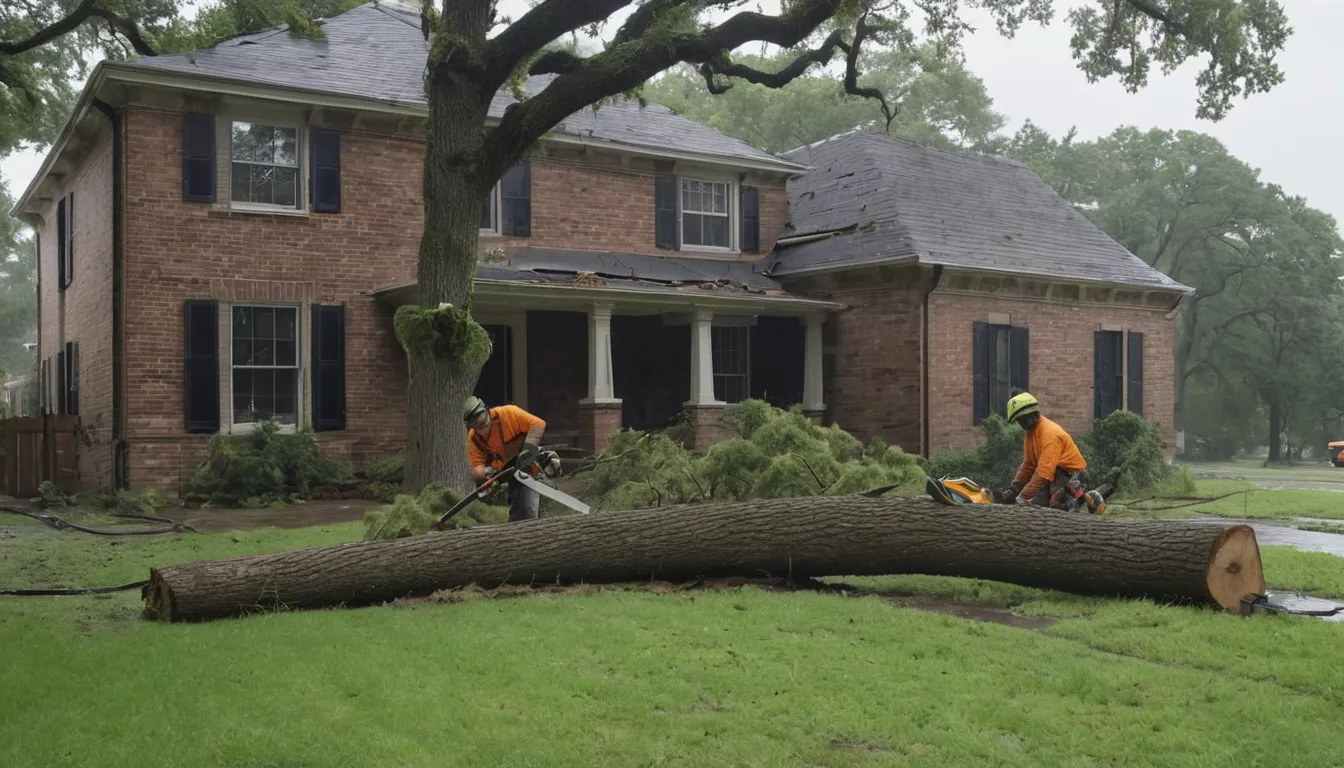
A fallen or leaning tree is stressful, so start with safety and let a local provider handle the cutting.
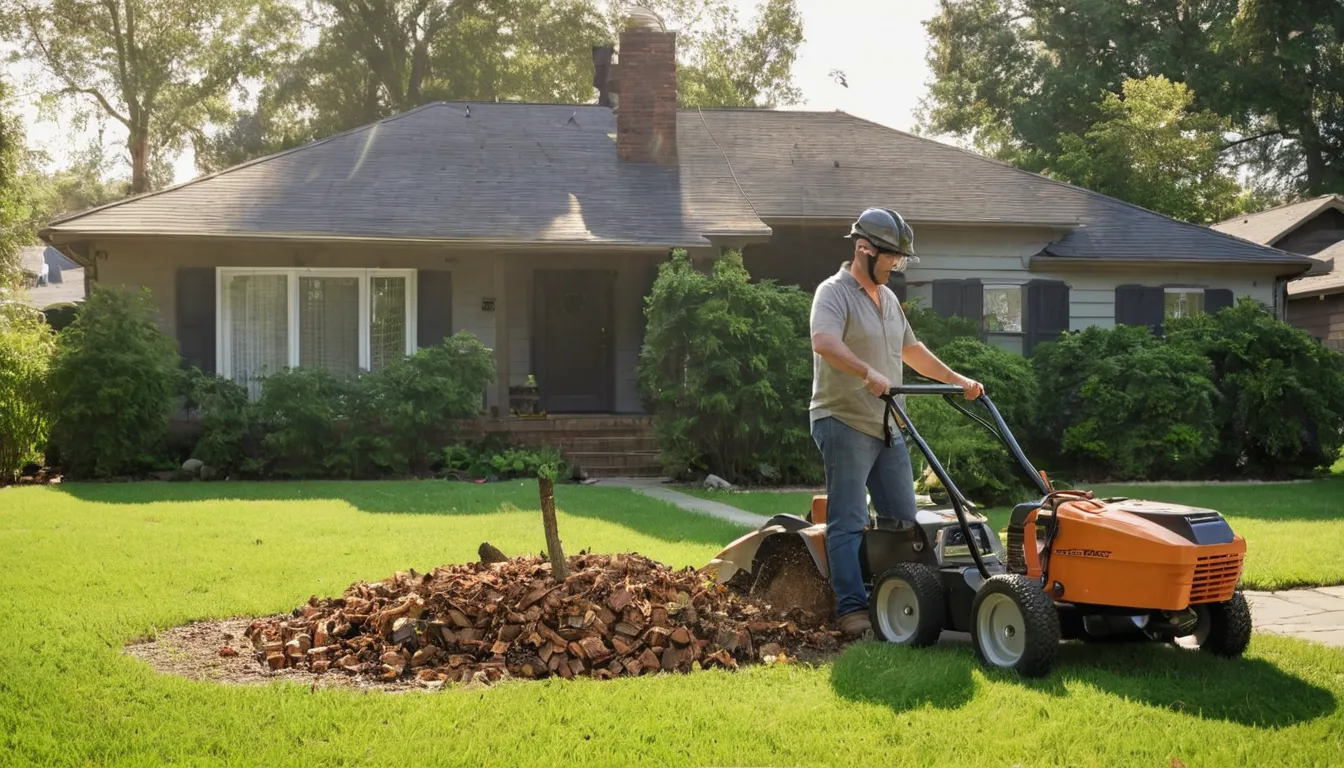
Stump grinding turns a leftover stump into mulch, and a careful plan keeps pipes, lines and your foundation safe.
A tree can look fine for years and then fail in one storm. Hot, humid summers bring sudden thunderstorms. Wet ground loosens roots. Now and then an ice storm bends branches toward the roof. If a tree on your lot is leaning, cracked or dropping limbs, take it seriously.
Athletesshoes Tree Service is a referral service. We connect homeowners in Hickory, NC with independent tree removal providers in our network. We do not cut, climb or haul. The provider you speak with does the work and sets the price in writing.
While you decide what to do, keep a few rules in mind:
Older houses need extra thought. Tired roofing, brick chimneys, old drain lines and past repairs can all sit under the path of a falling trunk. A careful provider will ask about them before any cutting starts.
Request a callback to check provider availability for your job.
Prefer to write it out first? Describe the tree and what stands near it, and ask for a written estimate with no obligation.
Athletesshoes Tree Service does not own trucks, saws or climbing gear. You tell us about your tree, and we connect you with an independent provider in our network who serves Hickory and the Hickory area. The provider inspects the tree, explains the plan and gives you a written quote. Any agreement is between you and the provider.
A house with decades behind it carries history. Patched roofs, old gutters and aging pipes may sit right under a tree's reach. Mill-era homes in North Carolina often have tight lots, brick chimneys, clay or cast-iron drain lines and crawl-space foundations built before anyone planned for a large shade tree. Newer subdivisions have their own limits, such as fences, pools and shared property lines.
A good provider looks at what the tree could hit, not just the tree. Ask them about:
1. You describe the tree, its size and what is near it. 2. A provider in our network talks it through with you. 3. The provider looks at the site and gives you a written quote. 4. You decide. You are never obligated to hire.
Costs vary by tree height, access, hazards and cleanup. Compare written quotes before you say yes.
Athletesshoes Tree Service refers homeowners across Hickory, NC and the Hickory area. The housing here is a real mix. Some streets have older mill-era houses with brick or vinyl siding, crawl-space foundations and big trees planted generations ago. Other neighborhoods are newer subdivisions where young trees have grown up beside fences, patios and slab foundations.
Both settings have risks. In older areas, roots may run toward aging drain lines and the canopy may hang over worn roofing. In newer areas, lots are smaller and a falling limb has less room to land.
The weather matters too. Summer thunderstorms can snap weak limbs. Remnants of tropical systems soak the soil and push winds through already heavy trees. Ice storms add weight that old branches may not carry. Providers who work in North Carolina know these patterns and plan around them.
Availability depends on the provider and the season, and storm weeks can be busy. Request a callback to check provider availability near you.
If you would rather send details first, request an estimate and a provider in our network can follow up.
Check the canopy for dead branches, hollow spots and cracks where limbs meet the trunk. Stand back when you do it.
Treat every line as live. Do not touch, trim or move anything near one. Only trained professionals should work close to lines.
A bent or pinned trunk can snap back without warning. Leave it to a provider with the right gear.
Older roofs, chimneys and sewer lines are costly to repair. Tell the provider about past leaks, patched areas and pipe problems you know of.
Stay away from downed trees until you know no lines are involved. Photograph the damage from a safe spot. Some policies may cover sudden damage, so check your policy, and providers can often help document damage for a claim.
A written quote should name the trees, the work, cleanup and any stump grinding. Typical U.S. prices for a single tree range from a few hundred dollars to several thousand, depending on size, access and risk. Get more than one quote when you can.
A leftover stump can hold moisture, attract pests and trip people. Ask whether stump grinding is part of the quote or priced separately.
If a tree is worrying you, do not wait for the next storm to decide. Request a callback to check provider availability and describe what you see. Mention the tree's size, what stands beneath it and anything you know about the roof or pipes.
You can also send a request and ask for a written estimate. There is no obligation to hire, and the provider does the work and sets the price.